
The Hidden Power Behind Africa’s Great Migration
The sweeping plains of the Serengeti National Park are often celebrated for their breathtaking beauty, but beneath this iconic landscape lies a powerful ecological force driven by one of nature’s greatest spectacles—the Great Migration. At the heart of this phenomenon are over a million wildebeest, whose constant movement doesn’t just define the migration—it actively reshapes the Serengeti itself.
Each year, vast herds of blue wildebeest travel in a circular route across northern Tanzania and into Kenya, driven by rainfall patterns and the search for fresh grazing. While this journey is often portrayed as a dramatic survival story filled with river crossings and predators, it is also a story of environmental transformation.
As wildebeest graze, they act as natural lawnmowers, trimming tall grasses and stimulating new growth. This grazing process enhances the nutritional quality of the grasslands, making them more suitable for other herbivores such as zebras and gazelles. The impact is not random—it is systematic and essential. Without these herds, the Serengeti’s grasslands would become overgrown and less productive.
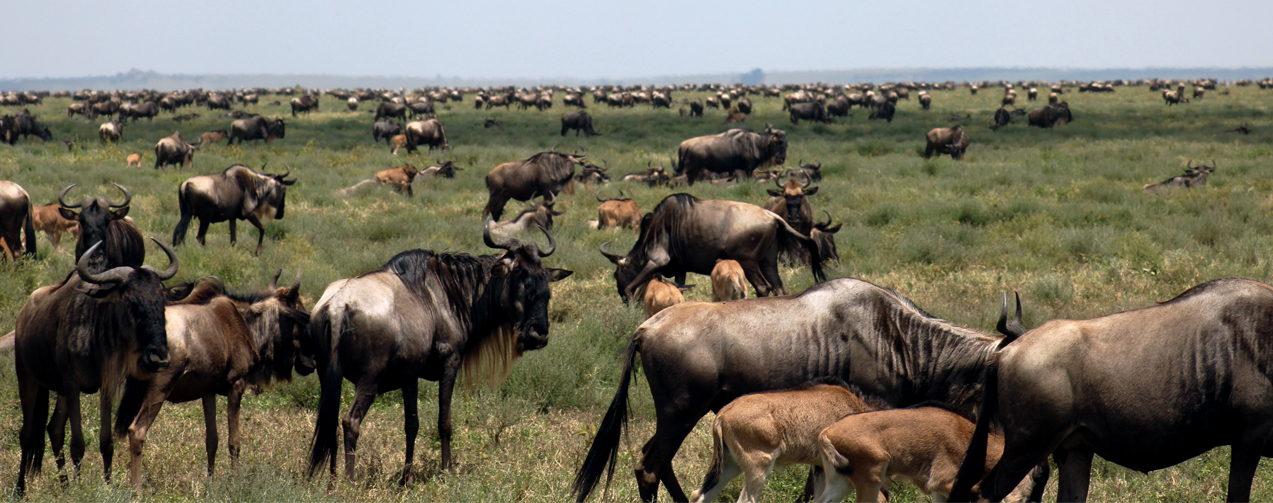
Even more profound is the role wildebeest play in nutrient cycling. Through their droppings and urine, they redistribute vital nutrients like nitrogen and phosphorus across vast areas. This natural fertilization enriches the soil, boosts plant growth, and supports a complex food web. Scientists often refer to this as a “mobile nutrient pump,” and it is critical to maintaining the health of the ecosystem.
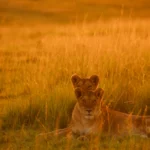
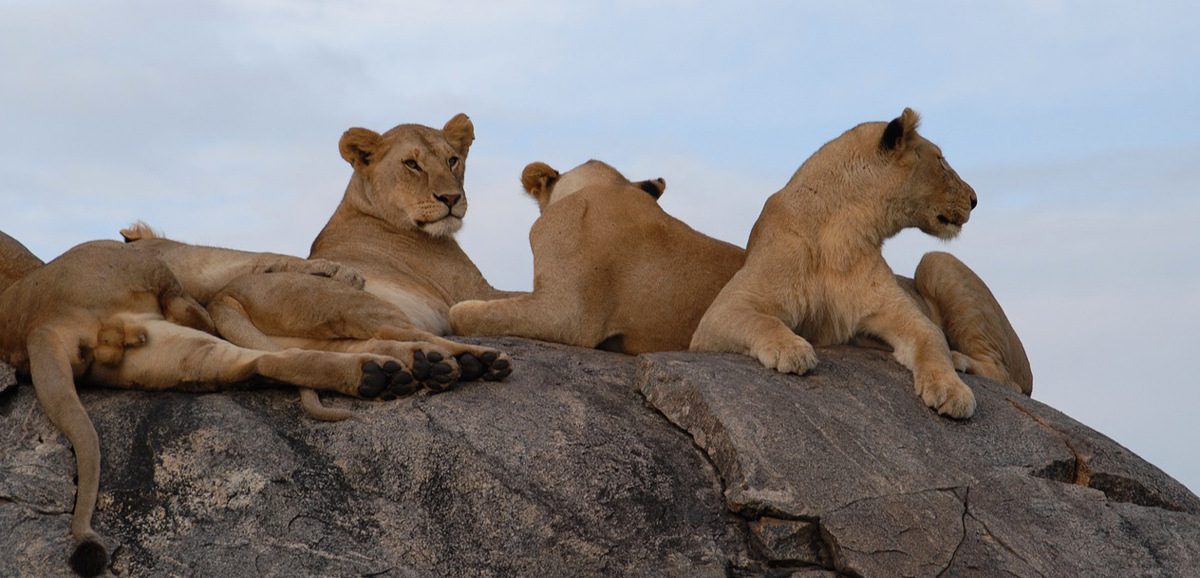
The migration also influences predator populations. As wildebeest move, they sustain large numbers of lions, hyenas, and crocodiles, especially during dramatic crossings of rivers like the Mara River. These predator-prey interactions help regulate species balance and ensure the ecosystem remains dynamic and resilient.
Interestingly, wildebeest also shape the physical landscape. Their hooves churn the soil, improving water infiltration and reducing erosion. In areas where the herds gather in large numbers, their trampling can even alter vegetation patterns, creating open plains that support diverse wildlife species.
The ripple effects extend beyond land. When thousands of wildebeest cross rivers, some do not survive, and their remains become a crucial source of nutrients for aquatic ecosystems. Fish, birds, and microorganisms all benefit, illustrating how the migration connects terrestrial and aquatic environments in a remarkable ecological loop.
For travelers seeking an authentic safari experience, witnessing this transformation firsthand in Serengeti ecosystem offers more than just wildlife viewing—it reveals the intricate balance of nature. The Great Migration is not just a journey; it is an ongoing process of renewal that keeps the Serengeti alive.
In a world where ecosystems are increasingly under threat, the story of wildebeest in the Serengeti stands as a powerful reminder: even the simplest natural behaviors—grazing, moving, surviving—can shape entire landscapes. Protecting this migration means preserving one of Earth’s most extraordinary natural systems.